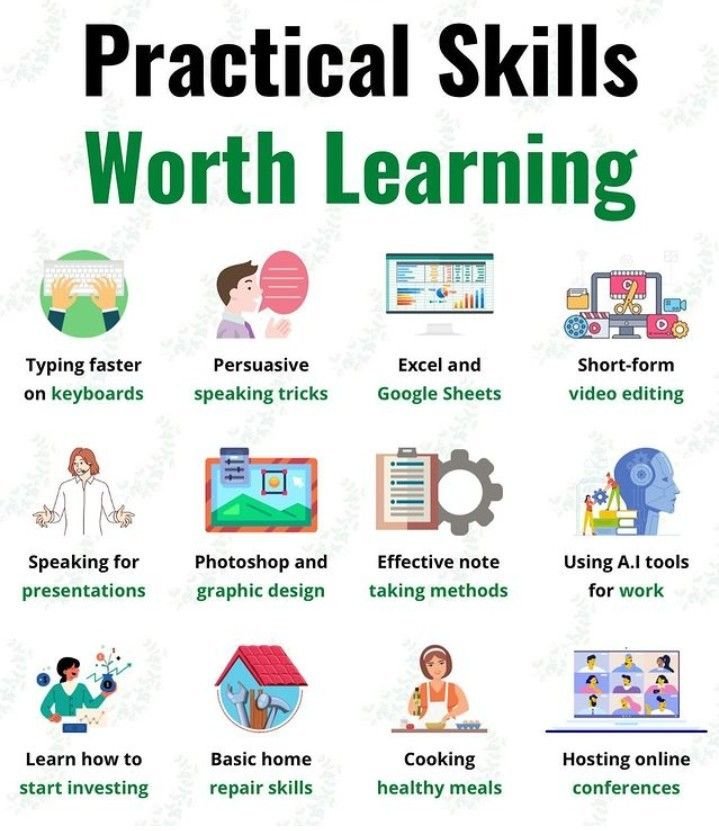
The modern job market isn't just looking for résumés listing degrees and past titles; it's hunting for capabilities. Specifically, employers are seeking individuals who possess a robust set of Core Skills & Practical Application – the innate talents, learned competencies, and adaptive behaviors that drive real-world results. This isn't about memorizing theories; it's about demonstrating how you can effectively do the job, solve problems, and contribute meaningfully to an organization's success.
Think of it this way: your skills are your currency in today's fast-evolving professional landscape. Understanding what these core skills are, identifying which ones you already possess, and strategically showcasing them in your job applications can be the difference between getting noticed and getting lost in the digital shuffle.
At a Glance: Your Skill-Powered Job Search Blueprint
- Skills are paramount: Beyond experience and education, your skills are key differentiators.
- Three skill types: Technical (hard skills), Workplace (soft skills), and Interpersonal (people skills) form a complete profile.
- Employer alignment is critical: Tailor your showcased skills to match each job description for ATS success and human appeal.
- Future-proof your career: Focus on in-demand skills like AI, cybersecurity, critical thinking, and adaptability.
- Show, don't just tell: Use action verbs and quantifiable achievements to demonstrate your skills on your resume and in interviews.
- Lifelong learning: The job market evolves, and so should your skill set. Continuous development is non-negotiable.
Beyond the Buzzwords: What Are "Core Skills"?
Before we dive into how to leverage your skills, let's get crystal clear on what we mean by "core skills." These aren't just vague concepts; they're actionable competencies that fall into three primary, often overlapping, categories:
- Technical Skills (Hard Skills): These are specialized, quantifiable abilities or knowledge required for specific tasks or jobs. They're often learned through formal education, training, or on-the-job experience. Think of them as your professional toolkit.
- Examples: Proficiency in a Content Management System (CMS), data analysis using SQL or Power BI, programming languages (Python, HTML), graphic design tools (Figma, Adobe Photoshop), Search Engine Optimization (SEO), system security, or even hands-on building and engineering skills like carpentry. A top contender in this category today is Generative AI (GenAI) proficiency, which is rapidly becoming a fundamental technical skill across industries.
- Workplace Skills (Behavioral Skills): These are the behaviors and habits you employ to complete tasks effectively and efficiently within a professional setting. They relate to how you approach your work.
- Examples: Critical thinking, attention to detail, organization, research, initiative, resilience, and effective time management.
- Interpersonal Skills (People Skills / Soft Skills): These strengths dictate how well you interact and collaborate with others. They are crucial for team dynamics, client relations, and leadership.
- Examples: Active listening, conflict resolution, empathy, public speaking, teamwork, customer service, and persuasion.
While distinct, these categories frequently intersect. For instance, managing a project (a workplace skill) often requires using a specific project management software (technical skill) and coordinating effectively with your team (interpersonal skill). The most effective professionals skillfully blend all three.
Why Your Skills Are Your Hottest Commodity (and Why the Market Cares)
The world of work is no longer solely about where you went to school or how many years you've been in a particular role. While experience and education still hold weight, employers are increasingly prioritizing demonstrable skills. This shift is driven by several factors:
- Rapid technological change: New tools and platforms emerge constantly, making specific technical skills vital and requiring continuous learning.
- Evolving job roles: Job descriptions are more dynamic, often requiring a blend of traditional and emerging competencies.
- Performance predictability: Skills are a stronger indicator of future performance than just credentials alone. Someone who can do the job, and adapt, is inherently more valuable.
- Applicant Tracking Systems (ATS): Before your resume even reaches human eyes, it's often scanned by an ATS. These systems filter applicants based on keywords, and guess what those keywords are? Skills. If your resume's language doesn't align with the job description's skill requirements, you might be overlooked, regardless of your qualifications.
In essence, your skills are the evidence of your capabilities. They show a prospective employer not just what you know, but what you can achieve.
Mapping Your Inner Toolkit: How to Identify Your Own Skills
Before you can strategically apply your skills, you need to know what they are. This isn't always as straightforward as it sounds, as many people underestimate their own abilities or fail to articulate them effectively.
- Start with Self-Reflection:
- Think about every role you've held, including volunteer work, academic projects, and even hobbies. What tasks did you perform? What problems did you solve? What achievements are you proud of?
- For each achievement, ask yourself: "What skills did I use to make that happen?" Did you "analyze data" (technical)? "Organize a complex event" (workplace)? "Mediate a team disagreement" (interpersonal)?
- Consider feedback you've received. What do colleagues, managers, or clients consistently praise you for? What challenges have you overcome?
- Deconstruct Your Experiences:
- Go through your past job descriptions. What were the core requirements? What did you actually do day-to-day?
- Look at projects from start to finish. What skills were required at each stage – planning, execution, problem-solving, communication, presentation?
- Mine for Inspiration:
- Browse job descriptions for roles you've held in the past or similar to ones you aspire to. Recruiters often use a standardized language to describe skills. Seeing these terms can help you recognize and articulate your own.
- Don't limit yourself to obvious "skill" words. Phrases like "spearheaded cross-functional initiatives" point to leadership and collaboration skills. "Reduced operational costs by 15%" highlights analytical and budgeting skills.
This introspection isn't just a mental exercise; it's about building an inventory of your unique professional strengths.
Scanning the Horizon: In-Demand Skills Shaping Tomorrow's Workforce
While knowing your own skills is crucial, staying competitive means understanding what the market demands. Consulting reputable sources like the World Economic Forum's "Future of Jobs" report is an excellent way to identify high-income, in-demand skills and pinpoint potential skill gaps. This allows you to proactively develop competencies that will make you indispensable.
The World Economic Forum (WEF) surveyed over 1,000 employers and identified seven core professional skills expected to see significant growth in demand between 2025 and 2030:
1. AI and Big Data
This isn't just a trend; it's a fundamental shift. Over 90% of employers expect increased use of AI and Big Data in their top industries, yet this area is severely skill-short. Organizations are actively seeking talent that can navigate, interpret, and leverage vast datasets and artificial intelligence tools.
- Practical Application: If you're looking to develop expertise here, consider academic programs in data science or machine learning. Blend this with professional development courses focusing on specific AI tools, data visualization platforms, or GenAI applications. The ability to prompt, refine, and apply AI outputs is becoming a cornerstone for many roles.
2. Networks and Cybersecurity
With cyber threats increasing dramatically—by 600% since the pandemic, costing businesses over $10 trillion annually—cybersecurity is no longer a niche concern. It's an enterprise-wide imperative. Protecting data, ensuring compliance, and preventing breaches are critical for every organization.
- Practical Application: Upskilling in cybersecurity can range from internal company training programs to specialized modules within broader digital transformation courses. Certifications in ethical hacking, network security, or cloud security are highly valued.
3. Technological Literacy
As technology permeates every aspect of the workplace, the ability to adapt to and understand new tools is paramount. Technological literacy isn't about being a coder (though that helps!), but about embracing and effectively utilizing emerging technologies like AI, automation, blockchain, and the Internet of Things (IoT).
- Practical Application: Pursue courses on emerging technologies. Participate in AI bootcamps or workshops focusing on specific industry-relevant tech. Stay curious about how technology is changing your field and actively seek opportunities to experiment with new platforms.
4. Creative Thinking
It might seem counterintuitive to list creative thinking alongside AI and Big Data, but businesses need professionals who can blend technical prowess with "out-of-the-box" perspectives. Automation can handle routine tasks, but human creativity remains essential for innovation, problem-solving, and developing unique strategies.
- Practical Application: Cultivate creativity by actively seeking diverse perspectives. Listen to podcasts from different industries, network with people outside your immediate field, attend training on design thinking, and collaborate on projects that encourage innovative solutions. Regularly practice brainstorming and challenging assumptions.
5. Resilience, Flexibility, and Agility
The past few years have underscored the importance of adapting to rapid, often unpredictable, change – whether political shifts, economic fluctuations, or technological disruptions. Employees who can bounce back from setbacks, pivot quickly, and maintain effectiveness in dynamic environments are highly prized.
- Practical Application: Develop a growth mindset, viewing challenges as opportunities for learning. Actively seek and apply constructive feedback. Practice self-awareness to recognize stress triggers and develop coping mechanisms. Engage in projects that require navigating ambiguity and changing requirements.
6. Curiosity and Lifelong Learning
The half-life of skills is shrinking. What's cutting-edge today might be obsolete tomorrow. Professionals who remain curious and committed to continuous learning are best equipped to stay relevant and competitive. The WEF notes that 54% of top-performing CEOs dedicate significant time to continuous learning.
- Practical Application: Embed learning into your routine. This could involve on-the-job training, pursuing higher education (perhaps understanding the value of a business degree in a changing landscape), enrolling in online courses (Coursera, edX), reading industry reports, or even taking on part-time projects or internships that expose you to new areas. Actively seek feedback to identify areas for growth.
7. Leadership and Social Influence
Effective leaders are essential for inspiring teams, fostering collaboration, achieving organizational goals, and navigating complex challenges. Social influence encompasses the ability to persuade, motivate, and build strong relationships, regardless of formal title.
- Practical Application: Develop these skills through formal education (management courses, online leadership programs), participate in workshops, seek mentorship from experienced leaders, and actively network within your industry. Most importantly, seek practical experience by taking on leadership roles in projects, committees, or volunteer organizations.
Other Key Trends and Technical Prowess
Beyond these seven foundational skills, other specific technical and workplace competencies continue to be in high demand. The Coursera report for 2025 highlights skills such as:
- E-commerce: Essential for businesses operating online.
- Media Strategy and Planning: Crucial for effective brand communication.
- System Security: Reinforces the WEF's cybersecurity focus.
- Search Engine Optimization (SEO): A cornerstone of digital marketing.
- Customer Success: Focus on retaining and nurturing client relationships.
- Power BI / Linux / Systems Design: Specific tools and methodologies for data, infrastructure, and technical architecture.
- Audit and Marketing Management: Core business functions requiring specialized expertise.
General technical skills like Microsoft Office Suite (Excel, Teams, PowerPoint), various design tools (Figma, Sketch), computer programming languages, data analysis tools (SQL, Stata, R), budgeting, writing and editing, and social media platforms remain foundational for many roles. Similarly, workplace skills such as teamwork, public speaking, attention to detail, and customer service are perennially valuable.
From Abstract to Action: Weaving Your Skills Into Your Job Application
Knowing your skills and the market's demands is only half the battle. The real "practical application" comes in strategically showcasing them on your resume and in your interviews. This is where many excellent candidates fall short, simply listing skills without demonstrating their impact.
The ATS Advantage: Speaking the Employer's Language
Remember the Applicant Tracking System (ATS)? To pass this initial hurdle, your resume's language must closely match the job description.
- Analyze the Job Description (Again!): Go through the job posting with a highlighter (mental or actual). Circle or note every skill, qualification, and requirement mentioned. Pay attention to specific tools, methodologies, and desired behaviors.
- Translate Your Skills: Now, compare this list to your inventory of skills. Where do they overlap? Use the exact phrasing from the job description when referring to those skills on your resume. If they say "data visualization tools," don't just say "charts and graphs."
- Beyond Keywords: Impact and Work Ethic: While keywords are critical for ATS, don't sacrifice clarity or impact. Include skills that demonstrate your work ethic, problem-solving abilities, and the positive outcomes you've driven, even if they aren't explicitly listed as keywords. These will resonate with the human reader.
Strategic Resume Crafting: Where to Showcase What
Your resume isn't just a document; it's a marketing tool. Every section should reinforce your suitability for the role by highlighting relevant skills.
- Past Experiences Section: The "Show, Don't Tell" Zone
- This is your prime opportunity to demonstrate skills through achievements. Start each bullet point with a powerful resume action word that implies a skill. Instead of "Responsible for customer inquiries," try "Resolved complex customer issues, leading to a 15% increase in satisfaction scores" (customer service, problem-solving, data analysis).
- Use words like "organized," "managed," "analyzed," "developed," "implemented," "collaborated," "negotiated," "trained."
- Quantify your achievements whenever possible. Numbers speak louder than adjectives. "Managed a budget of $500K," "Trained a team of 10," "Increased conversion rates by 20%."
- Example: If the job requires "project management" and "cross-functional collaboration," a bullet point might read: "Spearheaded a cross-functional marketing campaign, coordinating efforts across design, content, and sales teams to deliver a 30% uplift in lead generation." (Combines leadership, collaboration, project management, and quantifiable results).
- Dedicated Skills Section: Your At-a-Glance Overview
- This section allows recruiters to quickly scan your capabilities. List your relevant skills, optionally categorizing them for clarity (e.g., "Technical Skills," "Workplace Skills," "Interpersonal Skills").
- Tip: If you have high proficiency in a specific software or language, you can even indicate your ability level (e.g., "SQL: Advanced," "Python: Intermediate").
- Example:
- Technical Skills: Microsoft Excel (Advanced), SQL, Power BI, Google Analytics, Salesforce, Generative AI (Prompt Engineering), Python (Intermediate)
- Workplace Skills: Critical Thinking, Project Management (Agile), Data Analysis, Strategic Planning, Research
- Interpersonal Skills: Active Listening, Conflict Resolution, Team Leadership, Client Relations, Public Speaking
- Objective or Summary (if applicable): Your Personal Brand Statement
- Objective: If you're an entry-level candidate or making a career change, an objective can state your career goals and briefly highlight your key skills. E.g., "Highly motivated problem-solver with strong analytical and communication skills, seeking to apply data-driven insights to achieve business objectives."
- Summary: For more experienced professionals, a summary explains your background and top skills, especially useful for less straightforward career paths. E.g., "Dynamic marketing leader with 10+ years driving digital transformation and revenue growth. Expert in media strategy, SEO, and building high-performing teams, with a proven track record in e-commerce and customer success initiatives."
Cultivating Your Capabilities: A Lifelong Journey
The job market is a dynamic ecosystem. To remain competitive and relevant, you must adopt a mindset of continuous skill development. The skills you need today might evolve tomorrow, and embracing lifelong learning is your best defense against obsolescence.
- Formal Education & Certifications: Whether it's a full degree program (understanding the value of a business degree in a changing economy) or a specialized certification in cybersecurity, data analytics, or project management, structured learning provides foundational knowledge and recognized credentials.
- Online Courses & Bootcamps: Platforms like Coursera, edX, Udemy, and Udacity offer flexible, often affordable, ways to gain specific technical skills (e.g., GenAI prompting, Power BI, Python) or hone workplace skills. Bootcamps provide intensive, immersive training for rapid skill acquisition.
- Professional Development & Workshops: Many companies offer internal training programs. External workshops focus on specific skills like public speaking, negotiation, or Agile methodologies.
- Mentorship & Networking: Learning from experienced professionals is invaluable. A mentor can guide your skill development, while networking exposes you to new ideas and industry trends.
- Practical Experience: The best way to develop skills is to use them. Volunteer for projects, take on new responsibilities, or even pursue part-time work or internships that push you outside your comfort zone. For example, to develop creative thinking, actively participate in brainstorming sessions or problem-solving initiatives. To build resilience, deliberately seek out challenges and reflect on how you navigated them.
- Self-Directed Learning: Read industry reports, follow thought leaders, listen to relevant podcasts, and experiment with new tools on your own. This fosters curiosity and keeps you abreast of emerging trends.
Remember, skill development is not a one-time event; it's an ongoing investment in your professional self.
Common Questions About Skills & Career Growth
Do I need all the skills listed in a job advertisement?
Rarely. Job descriptions often represent an ideal candidate, a "wish list." Aim to possess 70-80% of the core requirements. If you lack a specific skill, highlight a related transferable skill and express your eagerness and ability to learn. For example, if they require "Advanced Python" and you're "Intermediate," you can still apply, emphasizing your rapid learning ability and relevant projects.
How do I highlight soft skills without just saying "I'm a good team player"?
Instead of stating the skill, demonstrate it through your actions and results.
- Instead of: "Good team player."
- Try: "Collaborated with a cross-functional team of 8 to launch a new product, resulting in a 25% increase in market share." (Teamwork, collaboration, quantifiable impact)
- Instead of: "Strong communication skills."
- Try: "Presented complex technical information to non-technical stakeholders, ensuring project alignment and successful implementation." (Communication, presentation, stakeholder management)
Always tie a soft skill to a specific achievement or outcome.
What if I lack a key skill that is critical for a role I want?
Be proactive!
- Acknowledge and Address: During an interview, you can briefly acknowledge the gap but immediately pivot to how you're actively working to close it (e.g., "While I'm developing my expertise in Power BI, I've already completed a beginner's course and am applying it to personal data projects. I'm a fast learner and eager to master new tools.")
- Highlight Transferable Skills: Focus on other strong, relevant skills you possess that can compensate for the gap or help you learn quickly. For example, if you lack specific coding experience but have strong analytical skills, emphasize your ability to understand complex systems and logical problem-solving.
- Show Initiative: If it's a technical skill, start learning it now. Even completing an introductory online course and doing a small project can show initiative and commitment.
Your Next Steps: Building a Skill-Powered Career
The journey to job market success isn't about chasing every new buzzword; it's about strategic self-awareness and continuous development. Start by thoroughly cataloging your existing skills, using the three categories (technical, workplace, interpersonal) as your guide. Then, compare your inventory against the high-demand skills identified by industry experts like the World Economic Forum.
Identify the gaps, but don't stop there. Actively seek out opportunities to learn and practice those crucial future-proof skills—whether through formal education, online courses, mentorship, or by taking on new challenges in your current role.
Finally, translate your capabilities into compelling narratives on your resume and during interviews. Use strong action verbs, quantify your achievements, and tailor your language to match the specific needs of each employer. By focusing on your Core Skills & Practical Application, you're not just applying for a job; you're demonstrating your undeniable value and securing your place in tomorrow's workforce.